

The Met Gala, officially known as the Costume Institute Gala, stands as one of the most anticipated and prestigious events on the global fashion calendar. Held annually on the first Monday of May in New York City, it serves as the primary fundraising event for the Metropolitan Museum of Art’s Costume Institute. A cornerstone of this extravagant evening is its annual theme, a conceptual framework that not only dictates the dress code for its A-list attendees but also provides the intellectual foundation for the Costume Institute’s accompanying spring exhibition. This theme is not merely a suggestion; it is the guiding principle that shapes every facet of the event, from the decor to the very fabric of the garments worn by celebrities, designers, and cultural figures.
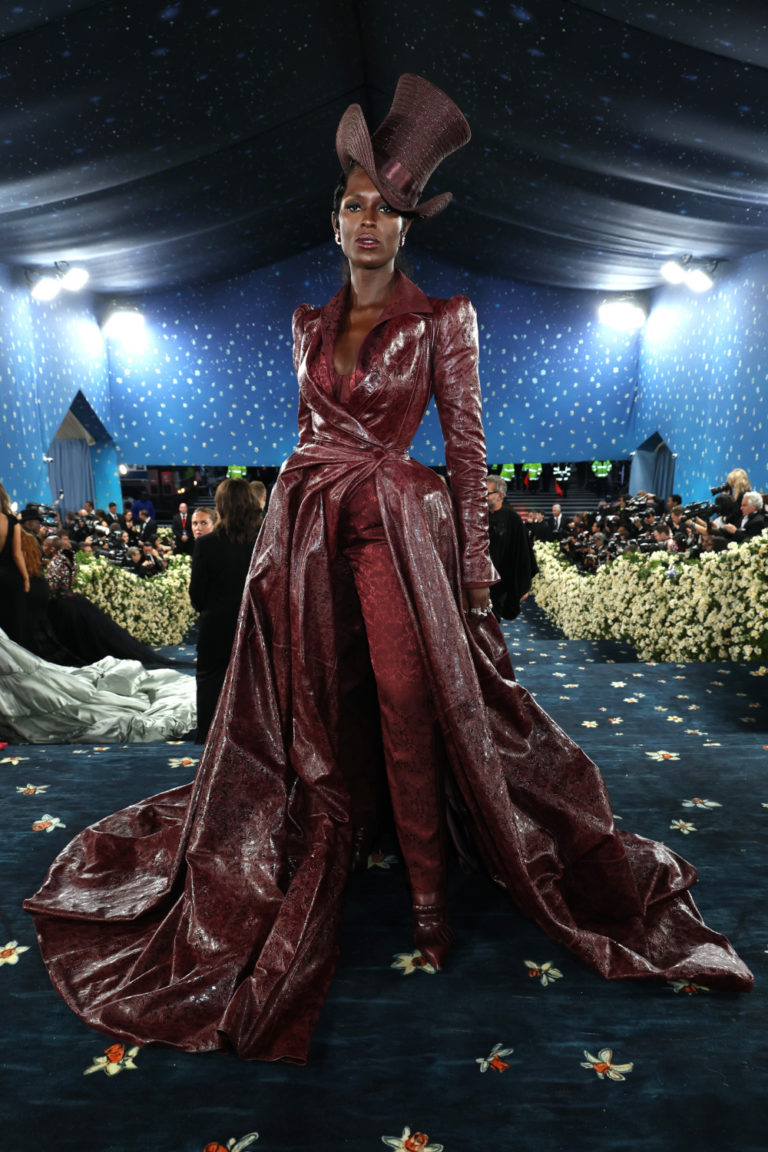
Overview
- The Met Gala is an annual fundraising event supporting the Metropolitan Museum of Art’s Costume Institute in New York City.
- A specific theme is chosen each year, which serves as the dress code for attendees and the focus for the Costume Institute’s spring exhibition.
- These themes are carefully selected to explore various aspects of fashion history, art, culture, and social commentary.
- Guests, including celebrities, designers, and artists, are encouraged to interpret the theme through their elaborate and often avant-garde attire.
- The event has a significant global cultural impact, generating immense media attention and shaping fashion discussions in the US and worldwide.
- Themes are determined collaboratively by the museum’s curatorial team and influential figures like Anna Wintour, reflecting current trends or historical anniversaries.
- The thematic approach transforms the Met Gala into a powerful platform for artistic expression and a celebration of fashion as a legitimate art form.
The Purpose Behind the Met Gala Theme
The annual theme is far more than a simple dress code; it is the intellectual and artistic backbone of the entire Met Gala endeavor. Each theme directly corresponds to the spring exhibition mounted by the Costume Institute. This exhibition, a significant scholarly undertaking, explores a particular aspect of fashion history, a specific designer’s legacy, a cultural movement, or an artistic concept. The gala itself functions as the grand opening night and a celebratory launch for this academic presentation. By aligning the event with the exhibition, the gala generates immense public interest and media coverage, drawing attention to the serious curatorial work being done within the museum. It bridges the gap between high fashion and academic study, making complex ideas accessible and exciting for a broader audience. The theme compels designers and attendees to engage thoughtfully with the subject matter, pushing creative boundaries and often sparking important conversations about art, identity, and societal trends.
How Met Gala Themes Are Chosen
The selection process for the Met Gala theme is a collaborative and meticulous effort. It primarily involves the curator of the Costume Institute, currently Andrew Bolton, and the influential co-chair of the event, Anna Wintour, editor-in-chief of American Vogue. Their decisions are made years in advance, allowing ample time for the exhibition to be researched, developed, and installed, and for designers to conceptualize their thematic creations. The criteria for choosing a theme are diverse. They might honor a specific iconic designer (like Karl Lagerfeld, Rei Kawakubo, or Alexander McQueen), delve into a historical period or aesthetic (such as “Heavenly Bodies: Fashion and the Catholic Imagination” or “Gilded Glamour”), or explore broader cultural phenomena and social statements (like “Camp: Notes on Fashion” or “Punk: Chaos to Couture”). The chosen theme needs to be rich enough to inspire a wide array of interpretations, visually striking for the red carpet, and academically sound for the exhibition. It must resonate with contemporary society while also paying homage to fashion’s past, ensuring its relevance and impact on both the fashion industry and the wider public in the US and beyond.
Iconic Met Gala Themes and Their Impact
Over the decades, the Met Gala has presented numerous themes that have left an indelible mark on fashion, art, and popular culture. These themes have varied wildly in scope and specificity, yet each has successfully provoked dialogue and showcased extraordinary creativity. For instance, “China: Through the Looking Glass” (2015) sparked a fascinating cross-cultural conversation, leading to elaborate gowns that blended Eastern and Western aesthetics. “Heavenly Bodies: Fashion and the Catholic Imagination” (2018) became the most attended exhibition in the Costume Institute’s history, demonstrating how a controversial yet deeply resonant theme could draw record crowds and inspire breathtaking interpretations of religious iconography in fashion. More recently, the “In America: An Anthology of Fashion” (2022) theme offered a retrospective look at American fashion, encouraging designers to explore narratives of patriotism, innovation, and diverse cultural influences within the US fashion landscape. These iconic themes not only provide a framework for the annual celebration but also contribute significantly to the academic discourse around fashion as an art form, influencing trends and prompting critical reflection on our relationship with clothing and identity.
Interpreting the Met Gala Theme: The Red Carpet Spectacle
The moment guests step onto the red carpet at the Met Gala, their attire becomes a living interpretation of the year’s theme, transforming the event into an unparalleled theatrical spectacle. This is where the abstract concept comes to life in tangible, often fantastical, forms. Designers and stylists work closely with celebrities for months leading up to the event to craft outfits that are not only aesthetically striking but also intellectually aligned with the theme. Some interpretations are direct and literal, while others are more subtle, conceptual, or even rebellious. The red carpet serves as a global stage where fashion becomes a medium for storytelling, social commentary, and artistic expression. It’s a place where risks are taken, boundaries are pushed, and conversations are ignited. The diverse interpretations highlight the multifaceted nature of fashion and allow for a vibrant display of individuality, creativity, and the power of clothing to communicate complex ideas. The anticipation surrounding how each attendee will embody the theme is a major draw for the public, turning the Met Gala into a cultural phenomenon that transcends the confines of the fashion industry.